
Feel Like a Rubbish Parent? 9 Things to Remember When You Doubt Your Parenting
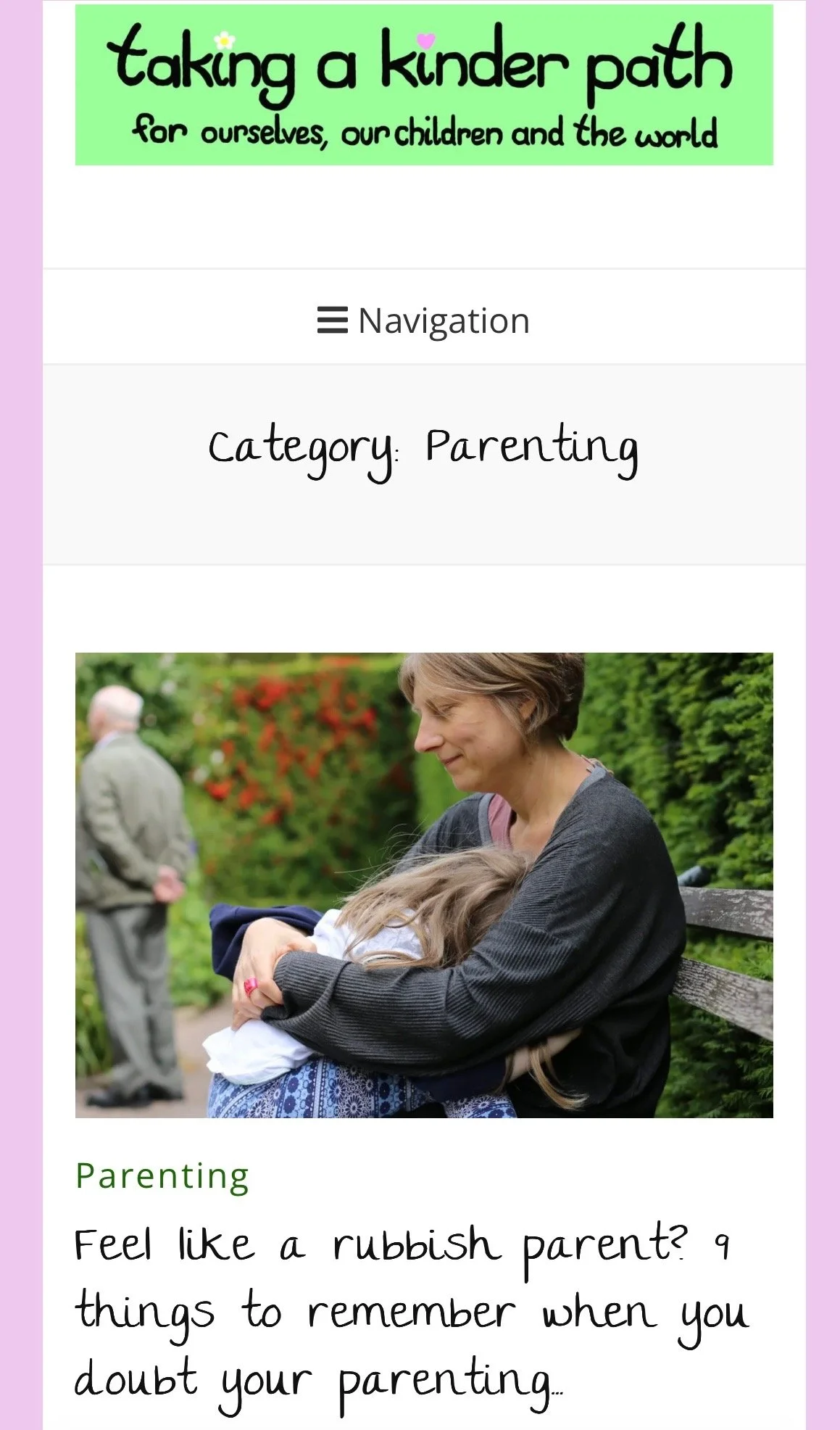
Episode 40: Feel Like a Rubbish Parent? 9 Things to Remember When You Doubt Your Parenting
“Do you feel like a rubbish parent? Scared of letting your children down? Convinced you’re not good enough …?”
We dug into Hayley’s blog post of the same name and discussed those moments or maybe seasons when we feel utterly lost as a parent, and also the ones where we just aren’t quite sure. We talk about changes in parenting trends and the evolving role and expectations of parenthood, share challenges and ideas and so much more. Join us for an interesting conversation that might be quite relatable. ❤️
We Discuss:
Those moments of feeling utterly horrible as a parent
Feelings of insecurity as a new parent and in taking on the new role and identity
Pausing and gathering our feelings and thoughts before moving to repair
The heightening of criteria for being a “good” parent over the past few decades (for better or worse and maybe a bit of both)
That having more information can mean feeling more responsible to get things right
That there isn’t just one certain way of doing things and we actually need some diversity in parenting, yet we also want to to be learning and improving
How as a new parent of young babies, there are certain things that are quite standard but complexity and confusion can build in the toddler years and beyond as far as information and figuring out the best fit for us and our individual child
The value of resources that focus on relationship
Looking to our children and starting with what we’re learning from them rather than the technique
Focusing on what our child needs versus what we’re trying to get them to do or what we feel pressure to have them do
The back and forth of learning about our child and getting to know them deeply
The declarative and directive nature of some parenting advice versus pondering the possibilities
How we don’t always need experts and things sometimes kind of work themselves out, often in the presence of peer support and contemplation
That parenthood has evolved from something that simply was (a role) to a sort of activity and performance and whether that has increased the pressure
Intentionally moving out of the fight or flight state in order to more deeply reflect and move forward more purposefully
Chatting with kids about possible reasons for particular feelings and reactions and the science behind certain strategies that help
The tendency as for us as home educating parents to feel that our children’s strengths and successes reflect how well we’re doing as a parent
… If we’re seeing children as a reflection of ourselves, then our feelings of success or failure can easily be projected onto them
The higher pressure and degree of observation from others that homeschooling can bring
Managing the comments and potential assumptions of others
That homeschooled kids can be in a “fish bowl” and observed not just as young kids, but as they become older as a result of people’s curiosity and the question of whether or not they are aware of it
That when we’re preoccupied or concerned with something, we’re much more likely to find it
The additional learning we do with each stage our children reaches and the hard work that it can be
The benefit to connecting regularly and maintaining strong relationship, even as we need to flex and shift
That parenting is not a “one or done” and there isn’t a point that we’ve arrived at
Our tendency to sometimes downplay stormy times as just normal but that it can be helpful to recognize all that we’re navigating and be gentle with ourselves
Finding helpful mantras
That as time passes, we gain knowledge and hopefully support
Parenting without as much community or as much of a “village” as we might like to have
How much conventional parenting advice is centred around making things easy for parents rather than what a baby’s or child’s actual needs are and supporting the development of them becoming familiar with their own needs
Whether we would have a more peaceful and fresh energy with our kids if we weren’t with them so many hours … and yet, the authenticity and communication skills that develop because we are
That there can be healing and renewal after difficult times
That the family can be a safe and natural place to
Shame as an early feeling that comes up as a reaction to feeling that making a mistake is not alright
How the more we can show that we can be kind and gentle with ourselves, the more our kids might be likely to see that as a norm
Our kids being empowered to understand that we can work together, mistakes are part of life and we can decide differently as we move ahead
The tendency to focus on the black and white of whose “fault” it is
That we need to be gentle with ourselves AND ultimately we need to “get over ourselves” and not wallow in our mistakes
That we can’t make our children do better by feeling worse – we all do better when we as parents can share compassion
The tension between inevitably being imperfect as parents and then needing to be gentle with ourselves for mistakes, and the importance of our children being respected and loved well
Resources:
Virtual Kitchen Table Episode # 20 – Deschooling Imperfectly: The Beauty of Intention